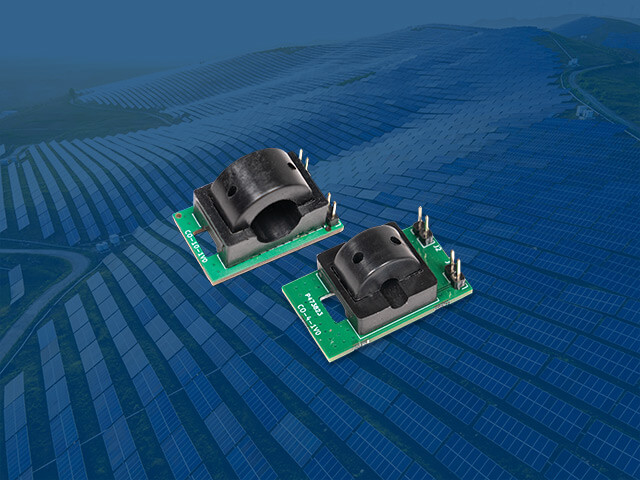

Digital Temperature Sensors: Enabling Smarter, More Connected Systems
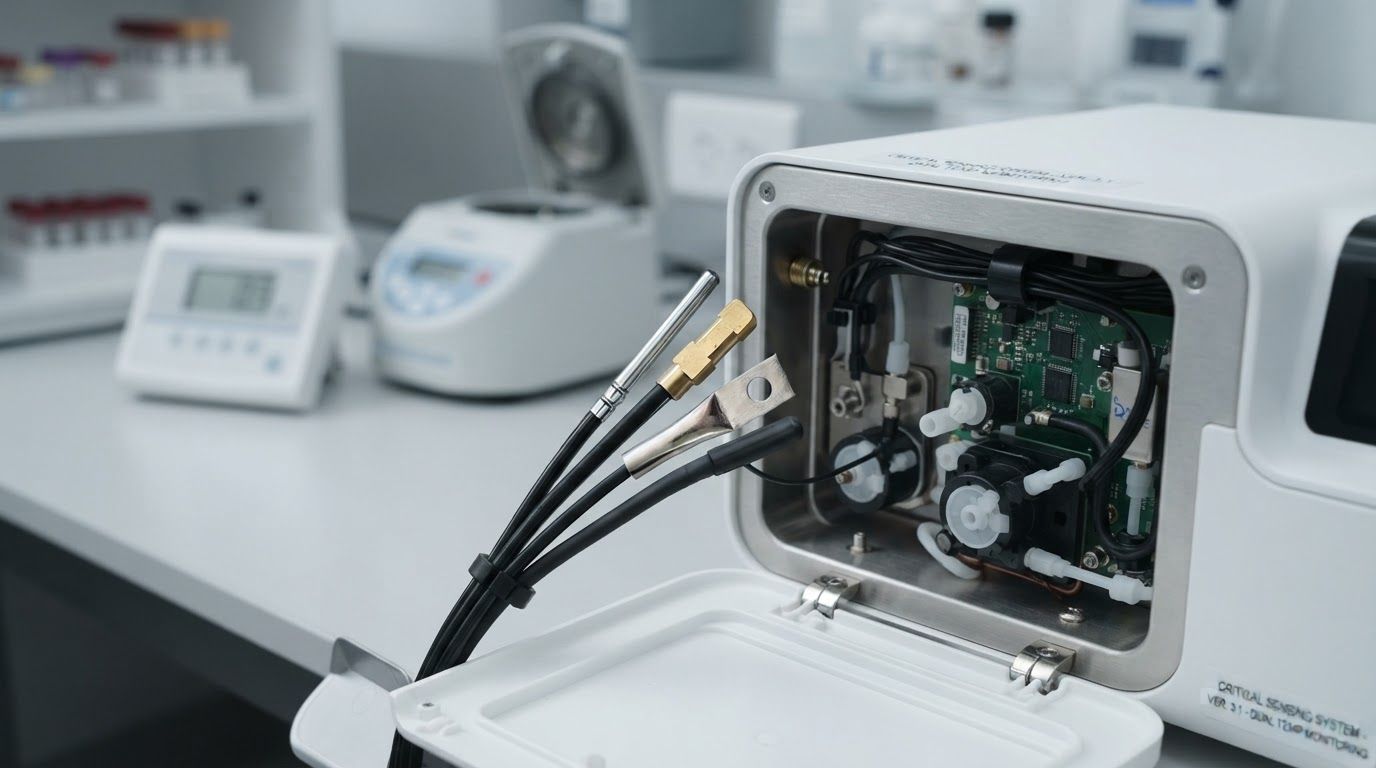
As products become increasingly intelligent and connected, temperature measurement is evolving from a simple sensing function into a critical source of real-time system data. From AI-powered data centers and advanced HVAC equipment to medical devices and industrial automation systems, engineers need accurate temperature information that can be easily integrated into modern digital architectures.
To address these evolving requirements, CTS has expanded its temperature sensing portfolio with its first Digital Temperature Sensor platform, providing customers with high-accuracy temperature measurement combined with straightforward digital communication capabilities.
What Is a Digital Temperature Sensor?
A digital temperature sensor combines the sensing element, signal conditioning, analog-to-digital conversion, and communication interface into a single device. Instead of requiring external circuitry to interpret an analog signal, the sensor delivers temperature data directly through digital interfaces such as I²C, SPI, or 1-Wire communications.
This integrated approach simplifies system design while providing accurate, repeatable temperature measurements. Factory calibration further reduces complexity for engineers and helps accelerate product development cycles.
Why Engineers Are Moving Toward Digital Sensing
As control systems become more sophisticated, designers are looking for ways to reduce component count, improve reliability, and simplify integration.
Digital temperature sensors provide several advantages:
- High-accuracy digital temperature measurement
- Direct digital communication for simplified integration
- Reduced susceptibility to electrical noise
- Factory-calibrated performance
- Support for smart and connected products
- Simplified system architecture
- Flexible probe and packaging options
By delivering temperature data directly to controllers, processors, and monitoring systems, digital sensors help engineers spend less time managing signal conditioning and more time optimizing system performance.

Supporting the Growth of Intelligent Systems
Temperature has become one of the most important variables in modern electronic and electromechanical systems. As power densities increase and operating conditions become more demanding, reliable thermal monitoring is essential.
Data Centers and AI Infrastructure
The rapid growth of AI workloads is driving significant increases in computing density and thermal management requirements. Digital temperature sensors can be used throughout servers, GPUs, cooling loops, power supplies, and thermal management systems to provide real-time temperature monitoring and support automated cooling strategies.
HVAC and Building Automation
Modern HVAC systems rely on accurate temperature data to maximize efficiency and occupant comfort. Digital temperature sensors can monitor air handling systems, heat exchangers, compressors, condensers, and smart building controls while providing direct connectivity to digital control platforms.
Industrial Automation and Robotics
Motors, drives, power electronics, and embedded control systems all generate heat that must be monitored and managed. Digital sensing enables predictive maintenance strategies, improves equipment reliability, and helps extend system life.
Battery and Energy Storage Systems
Temperature directly impacts battery safety, charging performance, efficiency, and lifespan. Digital temperature sensors provide the thermal data required by battery management systems to monitor cells, modules, packs, and charging infrastructure.
Medical Equipment
Medical applications often require precise temperature measurement and reliable monitoring. Digital temperature sensing solutions can support patient monitoring systems, respiratory equipment, diagnostic instruments, medical refrigeration, laboratory equipment, and other healthcare technologies where accuracy and system visibility are critical.
Built for Flexibility
One of the strengths of the CTS Digital Temperature Sensor platform is its flexibility.
The platform supports multiple probe styles and configurations, allowing engineers to select solutions match their specific performance, packaging, and installation requirements. This flexibility enables customers to address a wide variety of application needs while leveraging CTS's expertise in temperature sensing and application engineering.
The product roadmap positions digital temperature sensing as an important growth area for applications including HVAC equipment, medical refrigeration, energy-efficient systems, and other connected technologies.
From Measurement to Decision-Making
Perhaps the biggest advantage of digital temperature sensing is that it transforms temperature from a standalone measurement into actionable data.
Modern systems continuously monitor performance, adjust operating conditions, optimize energy consumption, and protect critical assets. Accurate digital temperature information enables these decisions to happen automatically and in real time. As connected devices become increasingly intelligent, temperature sensors are evolving from simple components into essential enablers of system-level performance.
Expanding CTS's Temperature Sensing Portfolio
The introduction of CTS's Digital Temperature Sensor platform marks an important expansion of the company's sensing portfolio. By adding digital communication capabilities to its established temperature sensing expertise, CTS is helping customers develop smarter, more connected products across industrial, medical, transportation, electronics, and emerging technology markets.
For existing CTS customers, the new platform expands the range of temperature sensing solutions available from a trusted supplier. For new customers, it introduces CTS as a resource for digital sensing applications where accuracy, integration simplicity, and application support are critical.
As systems continue to demand greater intelligence, efficiency, and reliability, digital temperature sensing will play an increasingly important role in enabling the next generation of connected solutions. Through this portfolio expansion, CTS is continuing to invest in technologies that help engineers solve complex design challenges and bring innovative products to market faster.
Ready to Explore Digital Temperature Sensing?
Discover CTS's high-accuracy digital sensor solutions designed for seamless integration and demanding environments.
View Digital Temperature Sensors