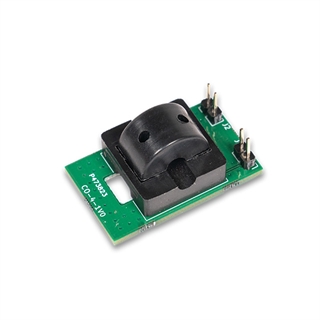
Occupancy Restraint sensors

Reliable Occupancy Restraint Sensors
Seat belt sensors are critical devices that detect and monitor key parameters related to seating configurations and passenger safety. CTS specializes in developing and customizing a range of Seat Belt Tension Sensors and Seat Belt Buckle Switches to enhance safety and performance.
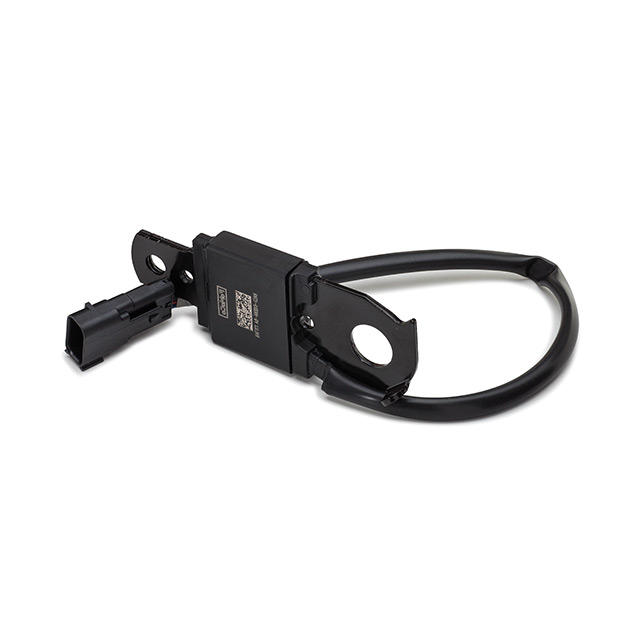
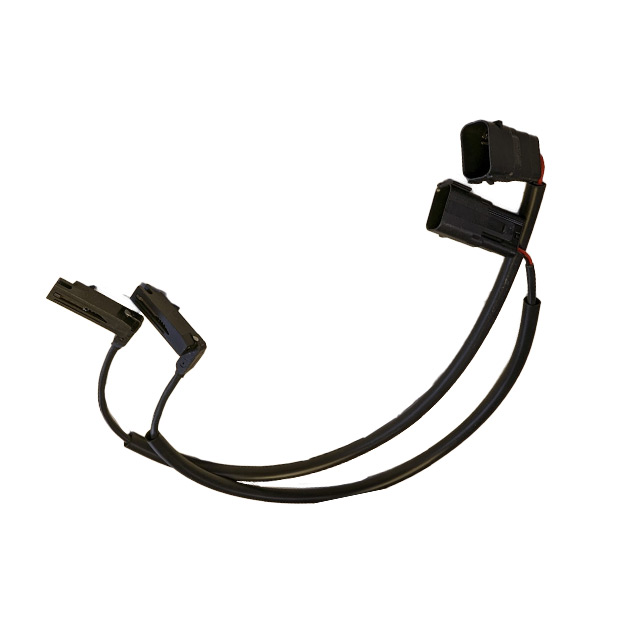
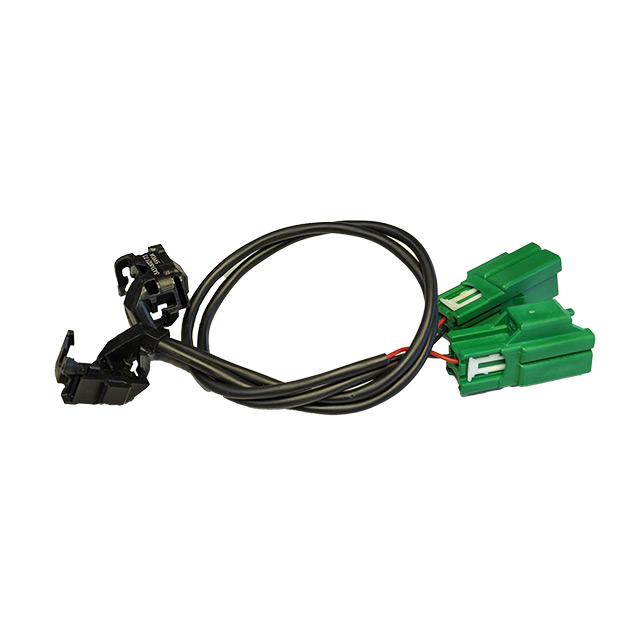
Seat Belt Sensors Built for Safety at No Extra Cost
Seat Belt Tension Sensors
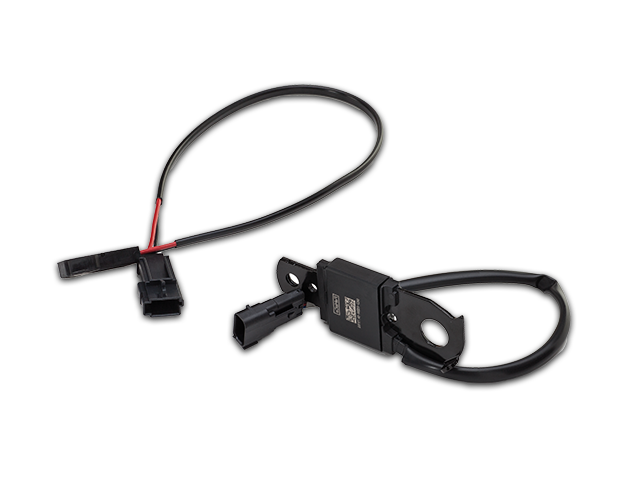
We are the world leader in seat belt tension sensors. These products are environmentally protected for use in vehicle interiors and come in a wide variety of mounting styles. Our seal belt tension sensor capabilities provide vital inputs to airbag deployment, effectively promoting reliability and safety.
Seat Belt Buckle Switches
Our non-contacting, Hall-effect technology seat belt buckle switches provide reliability in a variety of applications. Environmentally protected packages with and without back-biasing of the Hall-effect device are available. These switches are produced with numerous connector, routing and attachment options to suit application needs.
Our non-contacting seat belt retractor switches are used in Automatic Locking Retractor (ALR) applications to detect whether the retractor ratchet has been activated. These sensors are used in conjunction with the occupant detection system to control airbag deployment when a child’s seat is present.

- Features
- Applications
- Technical Resources
Features
- Hermetically sealed
- Part packages can be adapted to fit tight spaces per the application needs
- Available in fixed and moving magnet configurations
- MR designs allow the position of the seat throughout its travel to be detected.
- MR design allows this sensor to be adapted to non-power seats
- MR design does not use any moving parts within the sensor and is intended to be a non-contacting sensing solution
- Available with an integrated harness and connectors
- Compliant with Federal Motor Vehicle Safety Standards (FMVSS) and global occupancy safety regulations
- Customized and standard solutions are available
Applications
- Seatbelt Buckle Status: Sensors can detect whether the seatbelt buckle is engaged or not. If a passenger fails to buckle up, the sensor can trigger audible and visual warnings to remind them to fasten their seatbelt.
- Occupant Detection: Seatbelt sensors can detect whether a seat is occupied or not. This information is crucial for triggering airbag deployment algorithms and ensuring that airbags deploy only when a seat is occupied during a collision.
- Seatbelt Tension Sensors: Some vehicles are equipped with sensors that measure the tension or force applied to the seatbelt. These sensors can detect sudden increases in tension, which might indicate a collision or sudden deceleration. This information can be used to trigger various safety systems such as pretensioners, which tighten the seatbelt to reduce slack during a crash.
- Integration with Advanced Driver Assistance Systems (ADAS): Seatbelt sensors can be integrated with ADAS to provide additional inputs for safety features such as collision avoidance systems, adaptive cruise control, and lane departure warning systems. For example, if the seatbelt sensor detects an unbuckled passenger, it could trigger adjustments in the vehicle's safety settings.
- Child Seat Detection: Seat sensors can detect the presence of child safety seats and disable airbags accordingly to prevent injury to children in the event of a collision.
- Seat Adjustment and Memory Settings: Advanced seat sensors enable automatic adjustment of seat positions based on the detected occupant's size and preferences. Memory settings can be programmed to remember individual occupants' preferred seating positions.
- Driver and Passenger Seats: In vehicles, seat adjustment systems enable occupants to customize their seating position for optimal comfort and driving posture. These systems typically include adjustments for seat height, angle, lumbar support, and distance from pedals and steering wheel.
- The MR Long Stroke Sensor has a wide variety of applications regardless of the industry and technology. With applications in the automotive industry such as pneumatic and hydraulic struts and actuators, seat back angular position, and steering rack and pinion position, the MR element can replace the technology used today and become the technology of the automotive future. Most importantly, the sensor can be used as a substitute for many elements, and above all, an addition to the modern technology needed today in any industry.
Results Updated, 2 Results.
Skip to Filters

Collaborate With a Product Expert
CTS can design and deliver products that meet the unique requirements of your project. Work with a technical expert to begin your design today.